
A beginner looksmaxxing routine you can actually keep
Start with five habit areas you control, keep them simple for four weeks, and use the same current-photo setup to see what changed.

TL;DR
The shortest version before the full guide.
- A beginner routine works best as a few small habits you repeat, not a long product list.
- Cover five areas: grooming, basic skincare, sleep, posture, and style.
- Give the routine about four weeks before judging it, and check progress with the same photo setup.
- This routine is habits only: no surgery, no supplements, no medical claims, and no extreme methods.
- If you want to know which area matters most for your photos, an AI Face Analysis report can set the order.
Keep the routine small enough to repeat
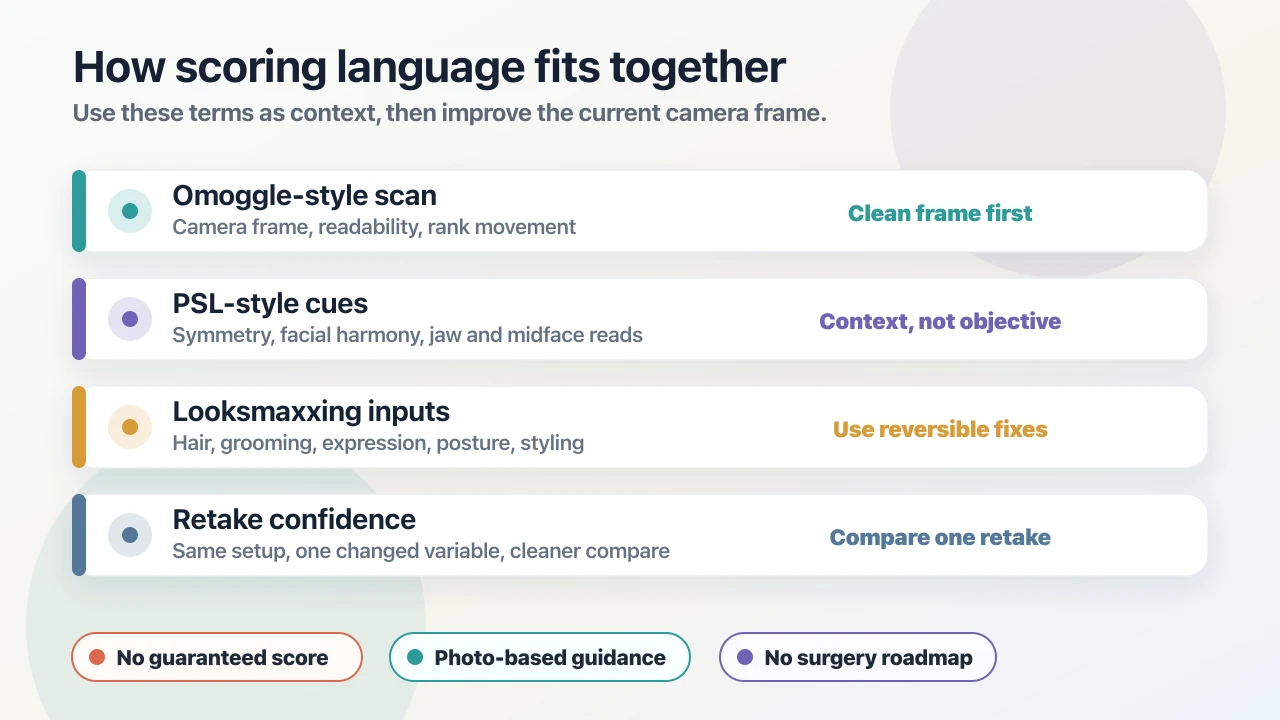
Looksmaxxing is internet slang for improving how you look and present yourself. Online, it often drifts into extreme advice. A beginner routine does not need any of that. The changes that show up most reliably in everyday photos are boring ones: a regular haircut, clean skin, enough sleep, relaxed posture, and clothes that fit.
This guide covers five habit areas. Each has a small daily or weekly action. Pick the areas that apply to you, keep them for four weeks, and check what changed with a consistent photo. It deliberately leaves out surgery, supplements, injections, and any medical treatment. If something about your skin, hair, or health worries you, a qualified professional is the right person to ask.
1. Grooming: the fastest visible change
Grooming changes are visible the same day and are easy to reverse.
- Haircut on a schedule: book a trim every four to six weeks so the outline never grows out of shape. If you are unsure what to ask for, the hairstyle preview guide helps you test a direction before the appointment.
- Facial hair, decided on purpose: either keep a clean shave or choose a defined length and keep the neckline and cheek line tidy. Beard styles by face shape covers how to choose and preview a style.
- Brows and edges: a light tidy of stray hairs is enough. Avoid reshaping that you cannot maintain.
- Hands and teeth: short clean nails and regular brushing are part of how you come across in person, even when they are not in a selfie.
2. Skincare basics: three steps, not twelve
A simple routine is easier to keep than a complicated one. Most beginners only need three steps.
- Cleanse: wash your face with a gentle cleanser in the evening, and in the morning if your skin feels oily.
- Moisturize: use a plain moisturizer after cleansing. Pick one suited to your skin and stick with it for a few weeks before switching.
- Sunscreen: apply a broad-spectrum sunscreen in the morning when you will be outside.
Introduce one new product at a time so you can tell what your skin reacts to. Stop using anything that stings or irritates. Persistent acne, rashes, or changes you are worried about are a reason to see a dermatologist, not to add more products.
3. Sleep: a consistent schedule
Tiredness is often visible in photos as a duller expression and heavier eyelids. You do not need a complicated sleep protocol. Aim for a regular bedtime and wake time, including most weekends, and keep screens out of the last part of the evening if they keep you awake.
Treat this as a habit rather than a quick fix. One early night will not transform a photo, but a stable schedule over several weeks often makes a difference in how rested you look and feel.
4. Posture: how you hold your head and shoulders
Posture changes how a face and frame read in a photo, and it is free to practice.
- Stand or sit tall: imagine the top of your head being lifted, without forcing your chest out.
- Shoulders down and back: raised, tense shoulders shorten the neck in photos.
- Chin neutral: do not tuck it down into the neck or lift it high. For photos, bringing the head slightly forward from the neck can help define the jaw outline.
- Check in a few times a day: a phone reminder or a habit tied to a daily task works better than trying to remember constantly.
The photo guide covers how to use posture in front of a camera specifically.
5. Style: fit before trends
Clothes that fit well usually help more than expensive or trendy pieces.
- Fit first: shoulders that sit at your shoulder line, sleeves that end at the wrist, and trousers that are not bunching at the ankle.
- A small, repeatable wardrobe: a few plain tops in colors you like, one good jacket, and clean shoes cover most situations.
- Eyewear as part of the look: if you wear glasses, the frame sits on your face every day. Glasses by face shape explains how to compare frames.
- Hair color, if you are curious: preview before dyeing. Hair color for skin tone explains how to shortlist shades.
A simple four-week plan
- Daily: cleanse, moisturize, sunscreen when outdoors.
- Daily: regular bedtime and wake time.
- Daily: two or three posture check-ins.
- Weekly: tidy facial hair edges and brows.
- Every 4–6 weeks: haircut.
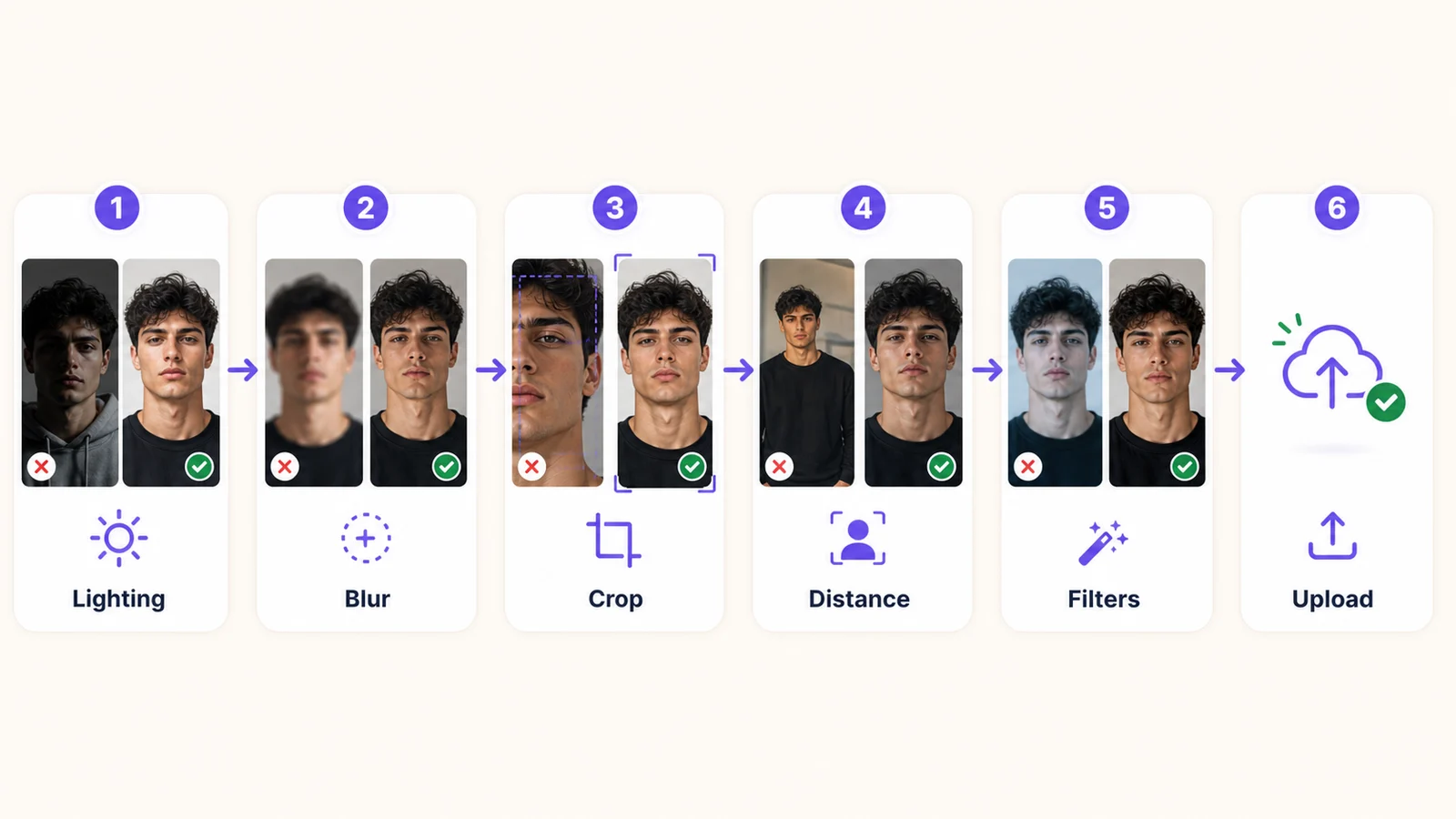
- Week 0 and week 4: take a photo in the same setup.
For the progress photo, use the same spot, light, camera height, and distance each time. The camera setup guide explains how. A consistent photo makes it possible to see real change rather than a difference in lighting.
A score from a free Mog Rating preview can be one data point next to your own observations. It reads only the current photo, so treat a change as something to look into, not a verdict on the routine. How to raise your mog score explains how to compare results fairly.
Know what to work on first
A beginner routine covers everything a little. If you would rather focus on the one or two areas that would make the most visible difference in your photos, AI Face Analysis can help. You sign in with Google, describe your goals, and add photos for a saved glow-up report that ranks practical, photo-based next steps. It uses Credits and stays non-medical: no surgery, no supplements, no treatments.
Prepared by MogScore; updated November 9, 2026. This routine is general, non-medical guidance about everyday habits. It does not replace advice from a dermatologist, doctor, or other qualified professional.
Frequently Asked Questions About Looksmaxxing Routine for Beginners: Simple Daily Habits
Answers to common questions about this guide.
Use the guide with a current-photo preview
Start with one clear photo, then use the guide to decide which setup or style change to test next.
Related articles
Continue with the next setup, glossary, or product guide.
 How-toHow to Raise Your Mog Score: A Practical, Photo-Based PlanSeparate capture problems from presentation choices, change one controllable thing at a time, and use a current-photo read to decide what to work on next.
 How-toHow to Look Better in Photos: Light, Angle, Posture, and ExpressionMost unflattering photos come from a few fixable conditions. Find the light, set the angle, relax your posture and expression, and choose the frame on purpose.
 GuideLooksmaxxing Slang: Context, Uncertain Acronyms, and Harmful LabelsA contextual reading guide for ambiguous acronyms, ordinary phrases, and loaded labels that do not belong in a face-rating scale.Workflow GuideAI Face Rating vs AI Face Analysis: Which Should You Use?Choose a score preview, a written plan, or an edited image, then prepare the right inputs.