
What does get mogged mean?
To get mogged means to be outclassed or outshined in a comparison, usually around appearance. The definition comes from internet slang sources, not from MogScore product language.

TL;DR
The shortest version before the full guide.
- To mog someone means to outclass or outshine them; to get mogged means to be the person who is outclassed in that comparison.
- Merriam-Webster treats mog as humorous internet slang, especially when one person appears more attractive than someone else.
- Wikipedia, The Guardian, and other explainers connect mogging to AMOG, manosphere language, and looksmaxxing culture.
- Modern social media use can be serious, ironic, or playful, but the word still carries a competitive comparison frame.
- MogScore can help review current-photo factors; it is not the source of the slang definition.
Meaning of get mogged
To get mogged means to be outclassed, outshined, or made to look lower-status in a comparison. In most online use, the comparison is about appearance: height, physique, facial features, grooming, style, camera presence, or the way two people look side by side.
That definition comes from internet slang sources. Merriam-Webster's slang entry for mog describes it as a humorous internet verb for outclassing someone, especially when one person appears more attractive than another. If one person "mogs" another, the second person "gets mogged."
The important detail is comparison. Mogging is not a neutral description of one person in isolation. It usually means one person is being judged against another person, another photo, another body type, another style, or another social setting.
Where the word comes from
The origin is messy. Merriam-Webster lists the broader etymology as uncertain, while several internet-culture sources connect modern mogging to AMOG, meaning "alpha male of the group."
Wikipedia's Looksmaxxing article places mogging within looksmaxxing and incel/manosphere vocabulary. It describes mogging as appearance-based dominance over another person and notes the AMOG connection. The Guardian also reports that mogging comes from AMOG and has moved from manosphere slang into broader Gen Z and Gen Alpha usage.
Know Your Meme's mogging entry documents the meme format around "mogger" and "moggee" roles, including comparisons across height, jaw, chin, fashion, physique, and other categories. That helps explain why the word often sounds like a contest rather than a simple compliment.
 Use external language sources first, then separate the slang definition from the way people apply it in photo comparisons.
A careful definition needs both sides. Many people now use mogged jokingly or loosely. Historically, the term is tied to competitive appearance ranking and online male-status subcultures.
How people use mogged online now
In current social media language, get mogged can mean:
- Looking less attractive next to someone else in a photo or video.
- Being physically outclassed in a gym, dating, fashion, or group-photo comparison.
- Getting overshadowed by someone's height, frame, styling, confidence, or camera presence.
- Being the target of an ironic meme where the comparison is exaggerated for humor.
The word is often casual, but it is not harmless in every context. Mogging language comes from hierarchy-heavy online spaces, so it can turn a normal appearance comparison into a status judgment. Treat it as slang, not as an objective verdict about a person.
Why photo context changes the impression
The slang definition comes from the internet, but photo context still matters when people apply the word to images. A low laptop camera, harsh overhead light, blur, a tense expression, or a bad crop can make one photo look worse than another, even when the person did not change.
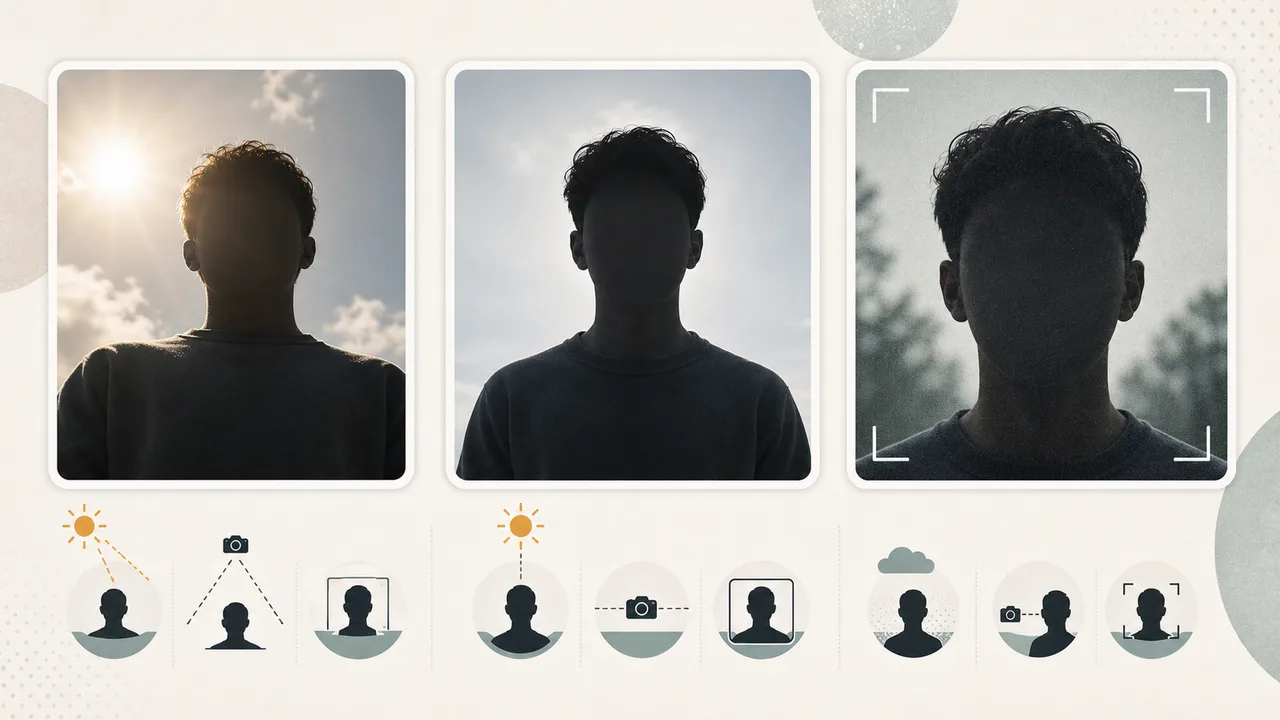 Photo-based comparisons are only meaningful when lighting, camera height, distance, and crop are reasonably comparable.
Before treating a comparison as meaningful, look at whether both photos were made under similar conditions. A polished outdoor portrait and a noisy screenshot are not a clean comparison. Neither is a close-up selfie compared with a photo taken from a normal lens distance.
In practice, the biggest context shifts usually come from lighting, camera height, lens distance, expression, grooming, and crop. These are not small details. They affect whether the face is easy to read, whether the jaw and midface are distorted by the lens, and whether the expression looks relaxed or tense.
Mogging versus a face rating
Mogging is slang from internet culture. A face rating is a structured current-photo read. They can overlap in conversation, but they are not the same thing.
Mogging language compares one person or presentation with another. A face rating should keep the scope narrower: what this photo is showing right now, which signals are readable, and which setup factors may be making the preview noisy.
MogScore should not be used as the source for what mogged means. The slang meaning should come from external language and internet-culture sources. MogScore is more useful after that definition is clear: it helps break a current photo into practical signals such as face structure, eyes and expression, nose and mouth, camera setup, and photo quality.
How to use the term without overreading it
Use get mogged as a casual description of a perceived comparison, not as a permanent label. If the comparison comes from photos, ask whether both photos had similar light, angle, distance, crop, and expression.
If you want to improve the current frame, make one change at a time. Adjust lighting first, then camera height, then distance and framing. This keeps the comparison grounded in something you can retake and test instead of turning the phrase into a vague verdict.
Sources used for this definition
Frequently Asked Questions About What Does Get Mogged Mean?
Short answers to the search questions this guide is designed to resolve.
Use the guide with a current-photo preview
Start with one clear photo, then use the guide to decide which setup or style change to test next.
Related articles
Continue with the next setup, glossary, or product guide.
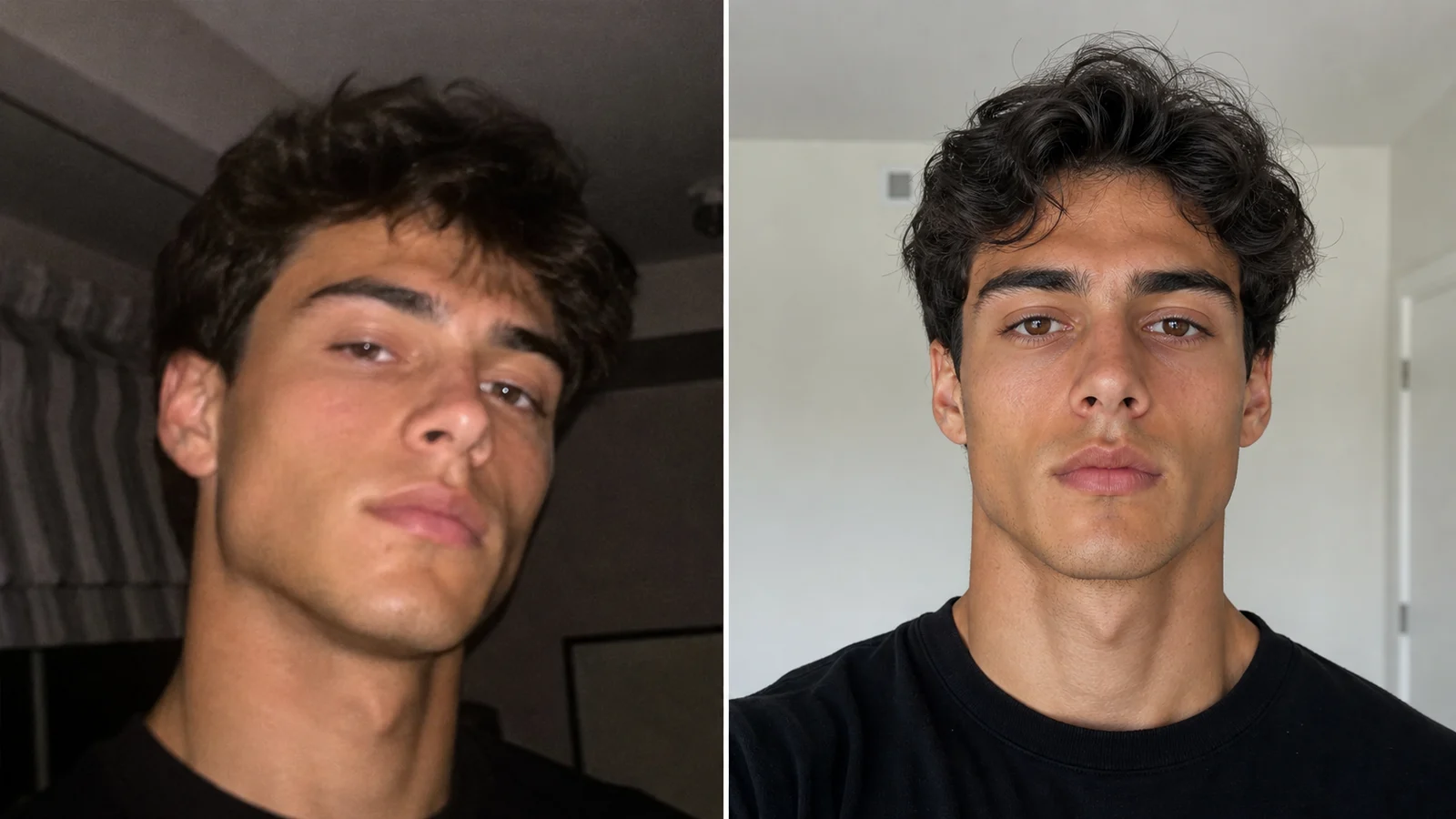 Photo TipsBest Photo for an AI Face RatingPick a cleaner photo for your MogScore AI Face Rating by checking light, crop, blur, distance, filters, and retake priority before upload.
 How-toCamera Setup for a Better Face RatingSet front lighting, camera height, distance, framing, and a simple retake order before comparing MogScore previews.